
LS Engine with Manual Transmission: An Overview
LS engine swaps paired with manual transmissions are increasingly popular, offering a rewarding driving experience. The T56 Magnum stands out as a top choice for performance builds.
Common options include the T5 for budget builds and the robust 4L60E as a comparison to automatic setups. Careful planning ensures a successful integration.
LS engine swaps have become a cornerstone of the automotive modification world, celebrated for their power, reliability, and relative affordability. The LS family of engines – LS1, LS2, LS3, and beyond – offers a compelling upgrade path for a wide range of vehicles. However, simply dropping in an LS isn’t always enough; enthusiasts often seek to enhance the driving experience further.
This is where manual transmissions enter the picture. While many LS-powered vehicles originally came with automatic transmissions, a manual swap provides greater driver engagement, control, and a more visceral connection to the machine. The process involves careful consideration of compatibility, adapters, and supporting components. The popularity of these swaps is fueled by readily available parts and a thriving online community dedicated to sharing knowledge and solutions.
Choosing the right manual transmission is crucial, with options ranging from the budget-friendly T5 to the high-performance T56 Magnum. The goal is to create a harmonious pairing that maximizes the LS engine’s potential while delivering a satisfying and reliable driving experience.
Why Choose a Manual Transmission for Your LS Swap?
Opting for a manual transmission in an LS swap transcends mere mechanical preference; it’s about reclaiming driving involvement. Unlike automatics, manuals offer complete control over gear selection, allowing drivers to precisely match engine speed to road conditions for optimal performance and efficiency. This direct connection fosters a more engaging and rewarding experience, particularly for enthusiasts who enjoy spirited driving.
Furthermore, manual transmissions often contribute to weight reduction compared to their automatic counterparts, improving handling and responsiveness; While automatics have advanced, a well-chosen manual, like the T56 Magnum, can offer superior reliability and durability, especially in high-horsepower applications. The simplicity of a manual drivetrain can also reduce potential failure points, leading to lower long-term maintenance costs.
Ultimately, the decision hinges on personal preference, but for those seeking a more connected and controlled driving experience, a manual transmission is the clear choice for their LS-powered project.

Transmission Options for LS Engines
LS engines boast versatile transmission choices, including the budget-friendly T5, the performance-oriented T56 and T56 Magnum, and the comparable 4L60E automatic.
T5 Transmission: Budget-Friendly and Common
The T5 transmission represents an excellent, cost-effective entry point for LS engine swaps desiring a manual setup. Widely available and relatively inexpensive, it’s a popular choice for those prioritizing affordability without sacrificing the engaging feel of a manual gearbox.
However, it’s crucial to understand the T5’s limitations. While suitable for moderate power levels, it may struggle with significantly modified or high-horsepower LS engines. Rebuilding and upgrading internal components – such as utilizing billet keys and bronze guides from sources like thegearbox.org – can substantially enhance its durability and performance.
Successfully pairing a T5 with an LS engine requires a compatible bellhousing. Utilizing a flywheel designed for a 99-03 6.0L 2500HD truck (around 75 lbs) is often recommended, alongside a pilot bushing sourced from a 98-02 Camaro or Firebird. This approach simplifies the adaptation process and ensures proper alignment.
T56 Transmission: The Performance Standard
The T56 transmission has earned its reputation as the go-to choice for high-performance LS engine swaps seeking a robust and precise manual experience. Offering significantly greater strength compared to the T5, it confidently handles increased horsepower and torque from modified LS engines.
Originally found behind powerful V8s like those in the Chevrolet Corvette and Camaro, the T56 provides a direct and engaging driving feel. Its six-speed configuration allows for optimized gear ratios, maximizing acceleration and highway cruising efficiency.
While more expensive than the T5, the T56’s durability and performance benefits often justify the investment. Careful consideration of flywheel selection – utilizing a Sachs 1050 flywheel is common – and proper bellhousing adaptation are essential for a successful installation.
T56 Magnum: Strength and Precision
The T56 Magnum represents a significant upgrade over the standard T56, becoming the “Holy Grail” for LS swap enthusiasts prioritizing ultimate strength and precision. Designed to withstand substantially higher horsepower and torque levels, it’s ideal for heavily modified or forced-induction LS engines.
This transmission features stronger internal components, including upgraded gears and shafts, ensuring exceptional reliability even under extreme stress. The Magnum’s refined shift mechanism delivers a crisp, direct feel, enhancing the driving experience.
Often favored for trucks built for performance, the T56 Magnum requires careful planning regarding bellhousing compatibility and clutch selection. It’s a premium option, but its durability and performance capabilities make it a worthwhile investment for serious builds.
4L60E Automatic Transmission (as a Comparison Point)
The 4L60E automatic transmission frequently appears in LS swaps, serving as a common and relatively affordable alternative to manual options. It’s a proven, dependable unit, originally paired with many LS engines, contributing to its widespread availability and familiarity among builders.
However, when considering a manual transmission swap, understanding the 4L60E’s characteristics provides valuable context. While robust, it generally doesn’t match the direct power transfer and driver engagement of a manual.
Furthermore, the 4L60E has different spline counts (27-spline) compared to manual transmission setups (often 32-spline), necessitating careful attention to transfer case compatibility. Choosing a manual offers a different driving dynamic, prioritizing control and feel over automated shifting.

Compatibility and Adapters
Adapters and careful component selection are crucial for a successful LS swap with a manual transmission. Flywheel choice and bellhousing fitment require precise matching for proper alignment.
Flywheel Selection for LS Engines
Choosing the correct flywheel is paramount for a successful LS engine and manual transmission pairing. As noted in online forums, a flywheel designed for a 99-03 6.0L 2500HD truck (around 75 dollars) often provides excellent compatibility across various LS engines and manual transmissions.
The Sachs 1050 flywheel is frequently recommended, particularly when pairing with a 3500 or 4500 transmission. It’s essential to use a clutch compatible with this flywheel, such as an SBC clutch. Flywheel weight impacts drivability; lighter flywheels offer quicker revs, while heavier ones improve low-end torque. Ensure the flywheel is balanced to prevent vibrations. Proper flywheel selection guarantees smooth engagement and reliable performance during your LS swap project.
Bellhousing Considerations for Different Transmissions
Bellhousing selection is crucial for mating your LS engine to the chosen manual transmission. A key point from LS1TECH forums suggests you can adapt any LS engine to nearly any Chevy V8 manual transmission with the correct bellhousing. This often involves sourcing a bellhousing specifically designed for the LS engine and the target transmission.
For T5 or T56 applications, a dedicated LS bellhousing is necessary. When using a T5, rebuilding and upgrading it with parts from gearbox.org is a viable option. Ensure proper alignment and bolt patterns. Compatibility issues can arise, so research specific combinations thoroughly before purchasing. A correctly fitted bellhousing ensures proper alignment and prevents premature wear.
Pilot Bearing/Bushings: Ensuring Proper Alignment
Proper alignment between the engine crankshaft and transmission input shaft is vital, and this is where the pilot bearing or bushing plays a critical role. Forums like GMT400 highlight the necessity of a pilot bushing when adapting transmissions. This component supports the transmission’s input shaft, preventing wobble and ensuring smooth engagement.
LS swaps often require a specific pilot bushing designed for the LS engine’s crankshaft. Using the incorrect size or type can lead to premature failure and transmission damage. When pairing an LS with a T5 or T56, sourcing a pilot bushing from a 98-02 Camaro or Firebird is a common practice. Always verify compatibility before installation to guarantee a secure and aligned connection.

Specific LS Engine and Transmission Pairings
LS1/LS6 engines often pair well with T5/T56 transmissions, while LS2/LS3 benefit from the strength of the T56 Magnum. A 6.0L Vortec offers versatile manual options.
LS1/LS6 with T5/T56
Pairing LS1 or LS6 engines with the T5 or T56 manual transmissions represents a classic and cost-effective LS swap combination. The T5, being more budget-friendly, is suitable for milder builds, requiring a rebuild kit from sources like thegearbox.org for enhanced durability. Utilizing a flywheel designed for a 99-03 6.0L 2500HD truck (around $75) is a common practice for compatibility.
However, for increased performance, the T56 is the preferred choice. It offers stronger components and a more positive shift feel. Both transmissions require a pilot bushing from a 98-02 Camaro or Firebird to ensure proper alignment. Clutch selection is crucial; the Sachs 1050 is frequently recommended, but SBC clutches are also viable options. Careful consideration of the bellhousing is essential for a secure fit, adapting to the chosen transmission.
LS2/LS3 with T56 Magnum

Combining LS2 or LS3 engines with the T56 Magnum transmission creates a potent and refined powertrain. The T56 Magnum is renowned for its strength, precision, and ability to handle the increased torque output of these larger displacement LS engines. It’s often considered the “Holy Grail” for LS swap builds aiming for high performance.
This pairing demands careful attention to detail, particularly regarding flywheel selection and bellhousing compatibility. While the Magnum is robust, proper alignment with the LS2/LS3 crankshaft is vital. Clutch choice remains important, with the Sachs 1050 being a popular option. Due to the Magnum’s size, tunnel modification might be necessary in some vehicles, and driveshaft length adjustments are almost guaranteed.
6.0L Vortec with Manual Transmissions
Pairing a 6.0L Vortec engine with a manual transmission offers a cost-effective and powerful alternative to LS-based swaps. Utilizing a flywheel designed for a 99-03ish 6.0 2500HD truck (around 75 lbs) simplifies the process, enabling compatibility with various 5-speed manual transmissions. This approach provides a straightforward path for converting vehicles originally equipped with automatics.
The T5 and T56 are viable options, though the T5 may require rebuilding and upgrading for optimal durability. Careful consideration of the bellhousing is crucial to ensure proper fitment. Don’t overlook the pilot bearing/bushing, essential for maintaining crankshaft alignment. Remember to verify transfer case spline count compatibility if retaining four-wheel drive.

Installation Considerations
Clutch selection, like the Sachs 1050, is vital. Transfer case spline counts (27 vs. 32) matter for automatic/manual swaps. Proper pedal assembly installation is key.
Clutch Selection: Sachs 1050 and Alternatives
Choosing the right clutch is paramount for a successful LS swap with a manual transmission; The Sachs 1050 is frequently recommended, particularly for use with a 3500 or 4500 transmission, offering a balance of performance and affordability. It’s often paired with a standard SBC clutch disc.
However, the Sachs 1050 isn’t the only option. Depending on your power goals and driving style, alternatives should be considered. Upgrading or rebuilding your existing T5 transmission allows for utilizing readily available components. For higher horsepower applications, a more robust clutch setup might be necessary, potentially involving billet flywheels and upgraded pressure plates.
Careful consideration of torque capacity and pedal feel is crucial. Researching clutch kits specifically designed for LS engines and manual transmissions will ensure optimal performance and longevity. Don’t overlook the importance of a quality pilot bearing or bushing during this process.
Transfer Case Spline Count Compatibility
Transfer case compatibility is a critical factor, especially when considering a 4×4 LS swap with a manual transmission. The spline count on the transmission’s output shaft must match the input spline of the transfer case. A mismatch will prevent proper connection and functionality.
Generally, the 4L60E automatic transmission utilizes a 27-spline output shaft. In contrast, manual transmissions, including the T56 and potentially others, often feature a 32-spline output. This difference necessitates careful planning and potentially an adapter or a transfer case with a compatible input spline.
Failing to address this can lead to significant issues. Thoroughly research the spline count of both your chosen transmission and transfer case before proceeding. Adapters are available to bridge the gap, but selecting the correct one is vital for a reliable drivetrain.
Pedal Assembly and Master Cylinder Installation
Installing a manual pedal assembly is crucial for a successful LS swap. Often, the factory pedal assembly from a compatible vehicle – like a Camaro or Firebird – is utilized. Ensure proper mounting and clearance within the vehicle’s interior. Modifications to the firewall may be necessary for adequate pedal travel.
Master cylinder selection and installation are equally important. Choose a master cylinder with the correct bore size for optimal pedal feel and braking performance. Proper bench bleeding is essential before connecting the brake lines.
Careful attention to detail during installation prevents issues. Ensure correct alignment and secure mounting of both the pedal assembly and master cylinder for safe and reliable operation;
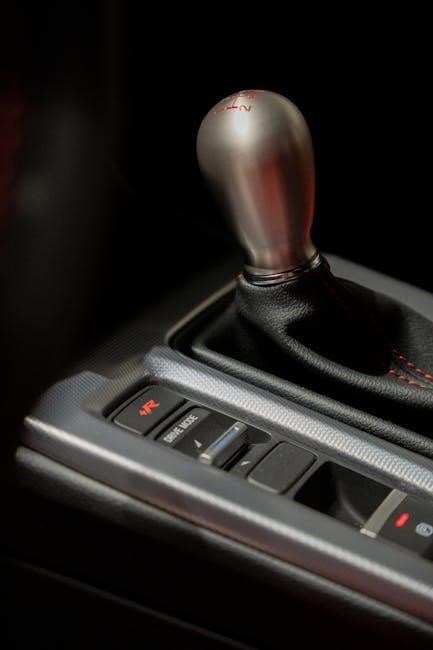
Potential Challenges and Solutions
LS swap challenges include tunnel modifications for larger transmissions, driveshaft length adjustments, and wiring integration. Solutions involve careful measurement, custom fabrication, and proper tuning.
Tunnel Modification for Larger Transmissions
Often, swapping to a manual transmission, particularly the desirable T56 Magnum, necessitates modifying the transmission tunnel. The T56 Magnum’s larger dimensions compared to the original automatic or smaller T5 can create clearance issues. This typically involves carefully hammering and reshaping the existing tunnel to accommodate the new transmission’s width.
However, extensive modifications might require cutting and welding additional metal to ensure sufficient clearance and structural integrity. It’s crucial to avoid compromising the vehicle’s chassis rigidity. Careful measurement and test fitting are paramount before any permanent alterations are made. Some installers opt for aftermarket tunnel covers designed specifically for LS swaps, providing a pre-fabricated solution and a cleaner finish.
Proper heat shielding should also be considered during tunnel modification, protecting the interior from exhaust heat.
Driveshaft Length and U-Joint Angles
Correct driveshaft length and U-joint angles are critical for a smooth and reliable LS swap with a manual transmission. Changing the transmission alters the distance between the engine and rear axle, often requiring a custom-length driveshaft. Incorrect length leads to excessive stress on the U-joints and transmission output shaft.
Optimal U-joint angles, ideally minimizing vibration, are achieved when the driveshaft and differential input shaft are parallel. Significant angles cause vibration and premature wear. Adjustable upper control arms or shims can help correct pinion angles. It’s vital to measure carefully and consider the vehicle’s ride height when determining the driveshaft length.
Using high-quality U-joints is also recommended for durability.
Wiring and Electronic Considerations
LS engine swaps with manual transmissions require careful attention to wiring and electronic systems. The original automatic transmission wiring will need modification or removal. A standalone engine management system (EMS) or a harness tailored for manual swaps is often necessary.
Disabling the torque management system within the EMS is crucial for optimal manual transmission performance. The Vehicle Speed Sensor (VSS) must be correctly connected to the EMS and potentially the speedometer. Consider the implications for the anti-lock braking system (ABS) and traction control, as they may require recalibration or disabling.
Proper grounding is essential for reliable operation. Thoroughly review wiring diagrams and utilize high-quality connectors.

Resources and Further Information
Online forums like LS1TECH and GMT400 provide invaluable support and knowledge. Parts suppliers offer specialized components for successful LS and manual transmission swaps.
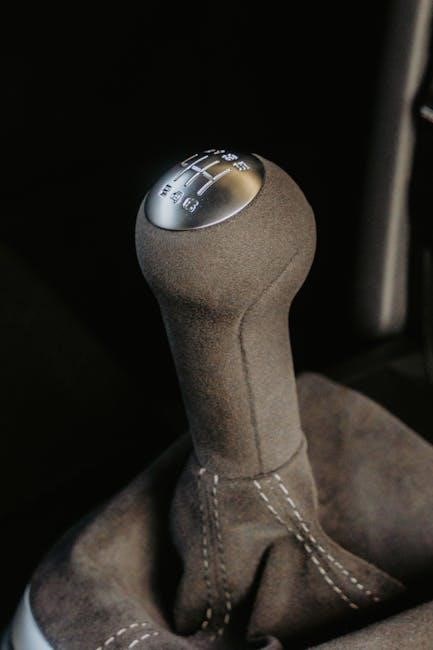
Online Forums and Communities
Engaging with online communities is crucial for a smooth LS and manual transmission swap. LS1TECH offers extensive threads dedicated to T5, T56, and T56 Magnum discussions, providing solutions to common challenges. The GMT400 forum specifically caters to 88-98 GM truck owners undertaking similar projects, offering truck-specific advice.

Grassroots Motorsports forum provides broader perspectives on transmission compatibility and modifications. These platforms allow you to connect with experienced enthusiasts, ask questions, and learn from others’ successes and mistakes. Searching existing threads often reveals answers to frequently asked questions regarding flywheel selection, bellhousing fitment, and clutch compatibility. Active participation can significantly reduce troubleshooting time and ensure a well-executed swap.
Parts Suppliers for LS Swap Components
Sourcing quality parts is vital for a reliable LS and manual transmission swap. Thegearbox.org specializes in T5 transmission rebuild kits and upgrades, offering billet keys and bronze guides for enhanced durability. Numerous suppliers offer LS engines, transmissions (T5, T56, T56 Magnum), flywheels (like the Sachs 1050), and bellhousings.
General automotive parts retailers often carry clutch kits and master cylinders. Online marketplaces provide a wide selection, but verifying vendor reputation is crucial. Consider suppliers specializing in LS swaps for expert advice and comprehensive kits. Researching prices and availability across multiple vendors ensures you obtain the best value for your investment, leading to a successful and satisfying project.