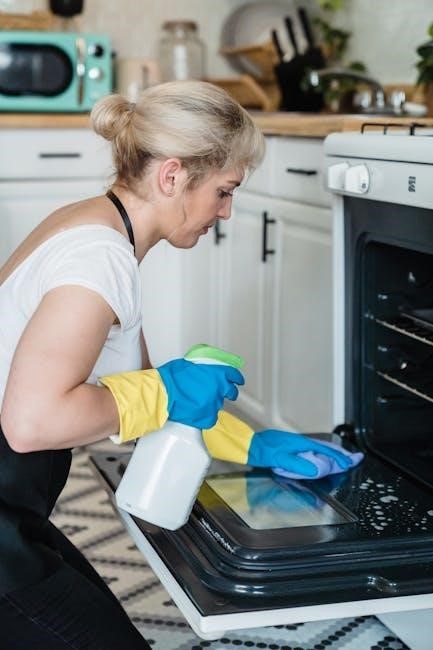
Understanding Your GE Self-Cleaning Oven
GE self-cleaning ovens utilize high temperatures to eliminate baked-on residue, offering convenience for homeowners. Modern GE models often include features like EasyWash trays.
The self-clean function, while helpful, requires preparation and understanding to avoid issues like excessive smoke, especially before holidays, as noted by appliance experts.
What is a Self-Cleaning Oven?
A self-cleaning oven, like those manufactured by GE, employs extremely high temperatures – significantly hotter than typical baking – to incinerate food residue within the oven cavity. This process transforms baked-on spills and grease into a fine ash.
Unlike manual cleaning, which requires scrubbing and chemical cleaners, a self-clean cycle automates this process. GE ovens with this feature offer a convenient alternative to laborious cleaning. However, it’s crucial to prepare the oven by removing racks and wiping up loose debris before initiating the cycle, as highlighted in recent guides.
The duration and intensity of the cycle can vary.
Benefits of Using the Self-Clean Cycle
Utilizing the self-clean cycle on your GE oven offers significant convenience, eliminating the need for harsh chemicals and strenuous scrubbing. This feature saves valuable time and effort, particularly beneficial for busy individuals or those who dislike manual oven cleaning.
The high-heat process effectively removes baked-on grease and food particles, leaving the oven interior remarkably clean. GE’s EasyWash oven tray further simplifies cleanup. However, remember preparation is key to minimizing smoke and ensuring optimal results, as advised by appliance specialists.
It’s a powerful cleaning solution!
GE Oven Models with Self-Clean Feature
GE offers a diverse range of electric and gas oven models equipped with the self-clean functionality. The GE GRF600AVSS, a 30-inch smart free-standing electric range with an EasyWash oven tray, is one example readily available at retailers like The Home Depot.
These models vary in features, including digital or knob control panels, and may incorporate additional cleaning options like steam clean. While specific functionalities differ, the core self-clean process remains consistent across most GE ovens – utilizing high heat to burn off residue.
Always consult your model’s manual!
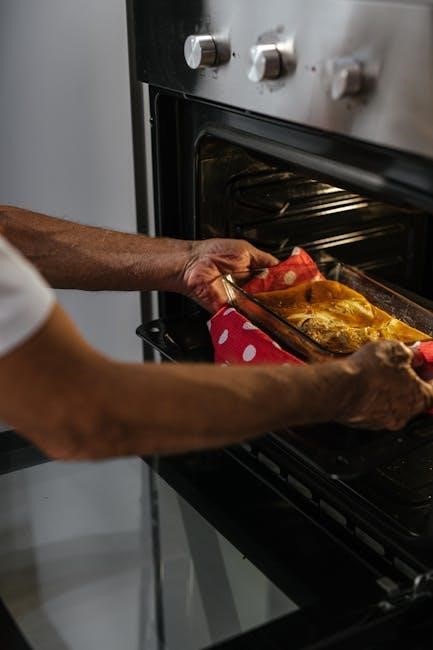
Preparing for the Self-Clean Cycle
Before initiating the cycle, remove racks and accessories. Wipe up loose debris and spills, ensuring a cleaner process and minimizing smoke production within the GE oven.
Removing Oven Racks and Accessories
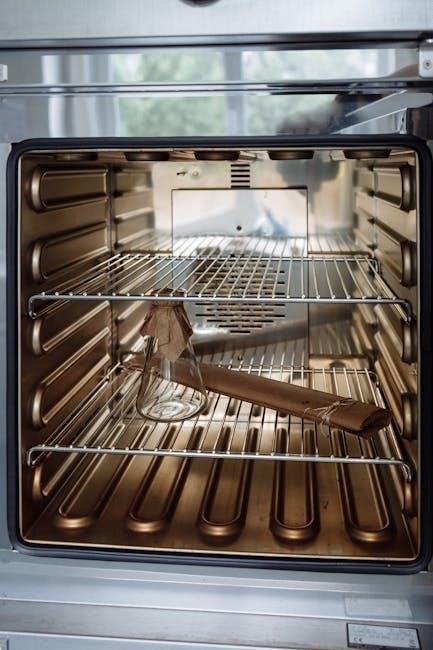
Prior to starting the self-clean cycle on your GE oven, it’s crucial to remove all oven racks, baking stones, thermometers, and any other accessories stored inside. These items can become discolored, warped, or even damaged due to the extremely high temperatures reached during the cleaning process.
Removing these components also ensures more even heat distribution throughout the oven cavity, contributing to a more effective self-clean. Consult your GE oven’s manual for specific instructions regarding rack removal, as some models may have unique rack designs.
Wiping Up Loose Debris and Spills
Before initiating the self-clean cycle on your GE oven, a quick manual cleanup is highly recommended. Remove any large food particles, crumbs, or spills from the oven floor and walls. This minimizes smoke and odors produced during the high-temperature cleaning process.
Wiping up grease splatters is particularly important, as they can contribute to significant smoke. While the self-clean cycle handles baked-on residue, removing loose debris beforehand improves efficiency and reduces potential issues. A diligent wipe-down is key for a cleaner result.
Ensuring Proper Ventilation
Adequate ventilation is crucial when running the self-clean cycle on your GE oven. The high temperatures generate smoke and odors, which can be irritating. Open windows in the kitchen and surrounding areas to create cross-ventilation.
Turn on the kitchen exhaust fan to help remove airborne particles. If excessive smoke occurs mid-cycle, ensure ventilation is maximized. Proper airflow minimizes fume irritation and contributes to a safer, more comfortable cleaning experience. This is especially important for individuals sensitive to smells.
Initiating the Self-Clean Cycle
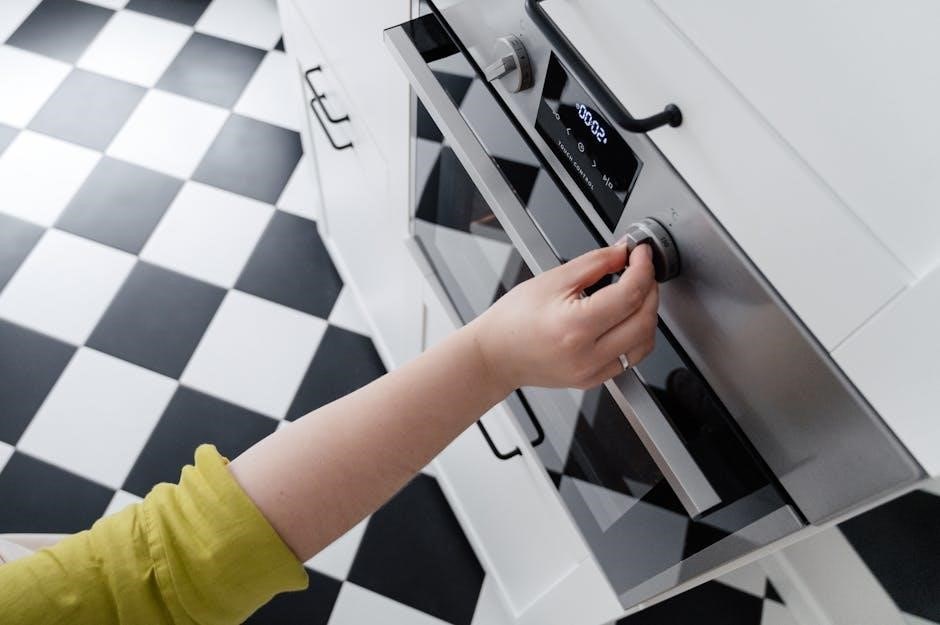
To begin, locate the self-clean button on your GE oven’s control panel. Select the appropriate clean time – light, medium, or heavy – based on soil level.
Ensure the oven door locks automatically before the cycle commences, a standard safety feature.
Locating the Self-Clean Button
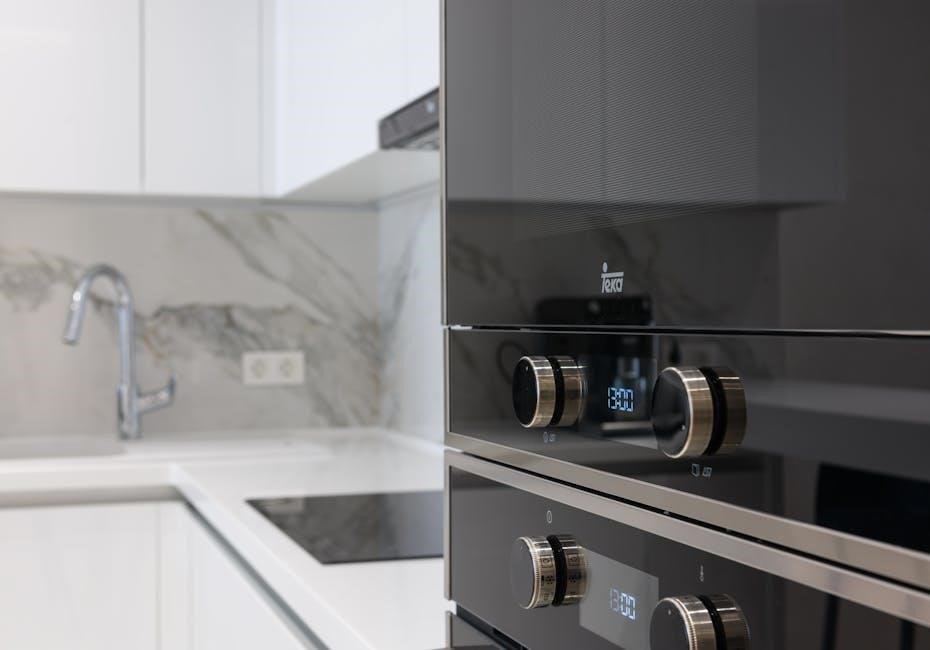
The location of the self-clean button varies depending on your GE oven’s control panel type. For digital control panels, it’s typically a dedicated button labeled “Self Clean,” often found alongside baking and broiling options. Consult your oven’s manual for precise placement, as designs differ between models.
If your oven features knob controls, the self-clean function may be activated by turning a dial to the “Self Clean” setting. Again, referencing the user manual is crucial. Before initiating, confirm the oven is empty and prepared, as detailed in preceding sections.
Always double-check the panel to ensure the correct function is selected.
Selecting the Clean Time (Light, Medium, Heavy)
GE ovens with self-clean functionality often provide options for clean time intensity: Light, Medium, and Heavy. The selection depends on the level of soil within the oven. Light clean is suitable for minimal residue, while Medium addresses moderate build-up.
Heavy clean is reserved for heavily soiled ovens, requiring the longest cycle duration and highest temperatures. Consider starting with a shorter cycle; you can always repeat if necessary. Diligent pre-cleaning, removing loose debris, can reduce the need for a heavy-duty cycle.
Refer to your oven’s manual for specific cycle times.
Locking the Oven Door
GE self-clean ovens automatically lock the door during the cycle as a crucial safety feature. This prevents accidental opening while internal temperatures reach extremely high levels – potentially causing severe burns. The locking mechanism engages shortly after the cycle initiates.
Do not attempt to force the door open during operation. The lock will disengage automatically once the oven has cooled sufficiently and the cycle is complete.
This automatic locking is a standard safety protocol for all self-cleaning oven models.
Monitoring the Self-Clean Cycle
GE ovens may produce smoke and odors during self-cleaning; adequate ventilation is key. Excessive smoke warrants checking for forgotten debris or potential issues.
Cycle duration and temperature vary based on the selected clean time (light, medium, heavy).
Understanding Smoke and Odor
GE self-clean cycles operate at extremely high temperatures, inevitably producing some smoke and odor as food residue is incinerated. This is generally normal, particularly during the initial cycle or with significant build-up. However, the intensity can vary.
A slight, vinegar-like smell is common. Excessive smoke, however, signals a potential problem. It could indicate unremoved large food particles or excessive grease. Proper preparation, including wiping up loose debris, minimizes this.
Ensure good kitchen ventilation by opening windows or using a range hood to dissipate the fumes. Modern GE ovens are designed to manage this, but vigilance is still advised.
What to Do if Excessive Smoke Occurs
If your GE oven produces excessive smoke during the self-clean cycle, immediately press the “Cancel” or “Off” button to halt the process. Do not attempt to open the oven door while it’s locked – allow it to cool completely first.
Ensure adequate ventilation by opening windows and activating your range hood. Inspect the oven once cooled for any remaining large food particles that may have been missed during preparation.
For future cycles, a more diligent manual wipe-down of the oven interior can significantly reduce smoke output, as recommended by appliance specialists.
Cycle Duration and Temperature
GE self-clean cycles vary in duration based on the selected intensity – Light, Medium, or Heavy. Typically, a light cycle runs for around two to three hours, while a heavy cycle can extend to four or five hours.
During the self-clean process, the oven reaches extremely high temperatures, often exceeding 900°F (482°C), to effectively burn off food residue. The oven door automatically locks for safety during this high-heat operation.
Always refer to your specific GE oven’s manual for precise cycle times and temperature details.
Post-Self-Clean Procedures
After the cycle completes, allow the GE oven to cool entirely before unlocking the door and wiping away any remaining ash residue for a spotless finish.
Allowing the Oven to Cool Completely
It is crucial to allow your GE self-cleaning oven to cool down completely before attempting any post-clean procedures. The self-clean cycle operates at extremely high temperatures, potentially causing burns if handled prematurely. Resist the urge to open the door immediately after the cycle finishes; patience is key.
The cooling process can take a significant amount of time, often several hours, depending on the cycle duration and oven model. Attempting to unlock or wipe down the interior while still hot could damage the oven’s components or cause injury. Ensure adequate ventilation during cooling.
Wiping Away Ash Residue
Once the GE oven has cooled completely, a fine layer of ash residue will remain. This is a normal byproduct of the self-clean cycle. Dampen a soft cloth – avoid abrasive materials – and gently wipe the oven’s interior surfaces to remove this ash.
Pay attention to the bottom of the oven and around the door seal. The EasyWash oven tray, if equipped, can be removed and cleaned separately for easier residue removal. Avoid using excessive water, and ensure all surfaces are dry before using the oven again.
Unlocking the Oven Door
After the self-clean cycle is finished and the oven has cooled completely, the door lock will automatically release on most GE models. However, if it doesn’t, consult your oven’s manual for specific instructions.
Do not attempt to force the door open; this could damage the locking mechanism. Some models may require pressing a ‘Cancel’ or ‘Unlock’ button. Once unlocked, carefully open the door and inspect the interior for any remaining ash residue before your next cooking adventure.
Troubleshooting Common Issues
If your GE oven won’t self-clean, check for error codes or ensure proper ventilation. Excessive smoke, even after preparation, may indicate a need for manual cleaning.
Oven Not Starting Self-Clean Cycle
If your GE oven fails to initiate the self-clean cycle, several factors could be at play. First, carefully review the oven’s control panel to ensure the function is selected correctly.
Check for any displayed error codes, as these provide specific diagnostic information. A locked oven door is essential for safety; confirm it’s securely latched.
Ensure the oven hasn’t recently undergone a power interruption, which might reset settings. If issues persist, consult the owner’s manual for troubleshooting steps or contact GE customer support for assistance.
Error Codes During Self-Clean
During the self-clean cycle, GE ovens may display error codes indicating specific problems. These codes are crucial for diagnosing the issue and determining the appropriate course of action.
Consult your oven’s owner’s manual; it contains a comprehensive list of error codes and their corresponding meanings. Common issues might relate to door lock malfunctions, temperature sensor failures, or gas supply problems (for gas ovens).
Record the error code before contacting GE customer support for efficient assistance. Ignoring error codes could lead to further damage.
Excessive Smoke Despite Preparation
Even after diligently removing racks and wiping up loose debris, some GE ovens may still produce excessive smoke during the self-clean cycle. This often indicates a significant buildup of grease and food residue within the oven’s insulation.
Ensure adequate ventilation by opening windows and using exhaust fans. A more diligent manual wipe-down before initiating the cycle can minimize future smoke. If smoke persists, immediately stop the cycle and consult a technician.
Consider using a lighter clean setting initially.
Safety Precautions
Always keep children and pets away during the self-clean cycle due to high temperatures and potential fume irritation. Avoid using it right before holidays!
Fumes can be irritating, so ensure proper ventilation, and be mindful of potential risks associated with the high-heat cleaning process.
Keeping Children and Pets Away
During the self-clean cycle, your GE oven reaches extremely high temperatures, posing a significant burn risk to both children and pets. The exterior of the oven, as well as the surrounding areas, can become dangerously hot to the touch.
It is absolutely crucial to ensure that children and pets are kept at a safe distance throughout the entire process. The locking mechanism, while a safety feature, shouldn’t be solely relied upon. Active supervision is paramount. Furthermore, the fumes released during the cycle, though generally minimal, could potentially irritate sensitive respiratory systems in both children and animals.
Prioritize their safety by creating a physical barrier or keeping them in a separate room until the oven has completely cooled down and is unlocked.
Avoiding Use Before Holidays
Experts strongly advise against utilizing the self-clean function on your GE oven immediately preceding major holidays. The cycle generates significant heat and potentially lingering odors that can interfere with holiday meal preparations.
Furthermore, the intense heat can sometimes reveal previously unnoticed issues within the oven, potentially leading to unexpected repairs during a busy time. It’s best to complete the self-clean cycle well in advance – ideally, several days before – to allow ample time for cooling, odor dissipation, and any necessary troubleshooting.
Delaying the cycle ensures a stress-free holiday cooking experience.
Potential Fume Irritation
The self-clean cycle, while effective, can produce fumes and odors that may cause irritation to some individuals. These fumes are a byproduct of the high-temperature decomposition of food residue within the oven.
Individuals with respiratory sensitivities, such as asthma, or those particularly sensitive to smells, should take extra precautions. Ensuring adequate ventilation – opening windows and using exhaust fans – is crucial during the cycle.
Keeping children and pets away from the kitchen during operation is also recommended to minimize potential exposure to these irritants.
Advanced Features & Tips
GE ovens may offer EasyWash trays for simplified cleaning, alongside a steam clean option on select models. Diligent manual wiping reduces smoke during future self-clean cycles.
EasyWash Oven Tray Cleaning
GE’s EasyWash oven tray is a standout feature designed to simplify oven maintenance. This innovative tray is removable, allowing for convenient cleaning outside of the oven itself – a significant advantage over traditional, fixed oven bottoms.
The Home Depot highlights this as a key benefit, reducing the effort required to maintain a spotless oven interior. Regular removal and cleaning of the EasyWash tray prevents build-up and contributes to a more effective self-clean cycle when utilized. It’s a practical addition for those seeking easier oven care.
Using the Steam Clean Option (if applicable)
Some GE ovens offer a Steam Clean option as a lighter-duty alternative to the full self-clean cycle. This feature utilizes steam to loosen light soils and spills, making them easier to wipe away with a cloth.
It’s a quicker process, ideal for routine maintenance and preventing heavy build-up. While not a replacement for the self-clean cycle, Steam Clean can reduce the frequency needed, potentially minimizing smoke and odor. Check your oven’s manual to confirm if this feature is available and for specific operating instructions.
Reducing Smoke During Future Cycles
To minimize smoke during subsequent self-clean cycles, diligent preparation is key. Before initiating the cycle, thoroughly remove large food debris and wipe up visible grease splatters from the oven interior.
Regular manual cleaning between self-clean cycles significantly reduces build-up, lessening smoke output. Ensuring proper ventilation during the cycle is also crucial. A more frequent, lighter cleaning approach is often more effective than infrequent, heavy-duty cycles, leading to a cleaner oven and less smoke.
Understanding GE Oven Control Panels
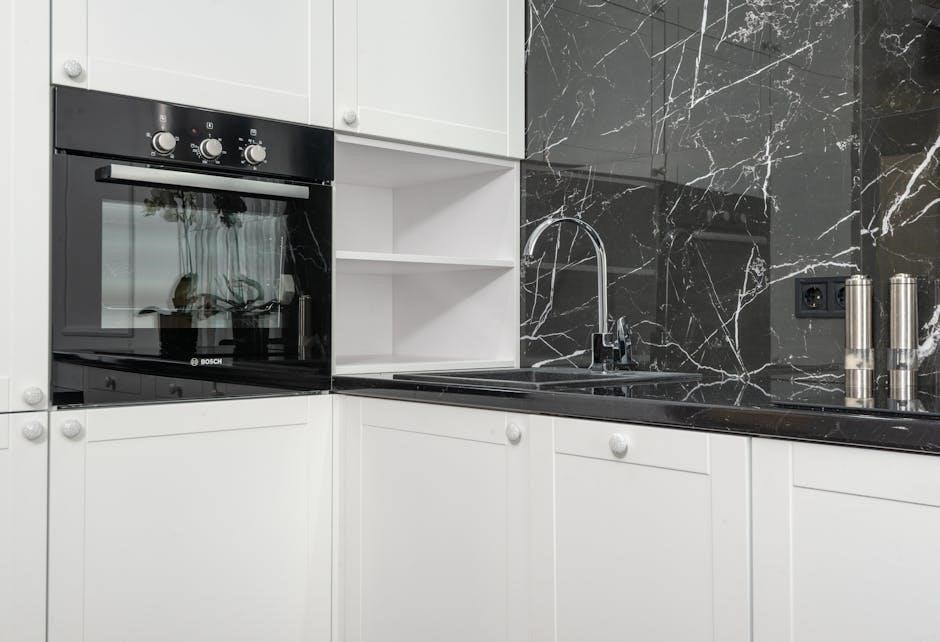
GE ovens feature both digital and knob control panels. During self-clean, display indicators illuminate, guiding users through the process and confirming cycle status.
Digital Control Panel Operation
GE ovens with digital control panels offer a streamlined self-clean experience. Typically, users locate the “Self-Clean” button on the display; Selecting this initiates a menu where clean time options – Light, Medium, or Heavy – are chosen based on soil level.
The panel will then prompt a door locking sequence for safety during the high-temperature cycle. Throughout the process, the digital display provides cycle duration updates and indicates when cooling has completed. Error codes, if any, will also appear here, signaling potential issues requiring attention.
Knob Control Panel Operation
GE ovens featuring knob controls initiate the self-clean cycle differently. Users generally turn the selector knob to the “Self-Clean” setting. Depending on the model, a separate knob might adjust the cleaning duration – Light, Medium, or Heavy – corresponding to the oven’s soil level.
Upon activation, the oven door automatically locks. While lacking a digital display for precise timing, these models often feature an indicator light illuminating during the cycle. Post-cleaning, the light turns off, signaling completion and safe unlocking of the door.
Display Indicators During Self-Clean
GE ovens with digital control panels provide clear indicators during the self-clean cycle. The display typically shows a countdown timer, indicating the remaining cleaning duration. A lock symbol illuminates, confirming the oven door is securely locked for safety.
Temperature readings may also be displayed, showcasing the high heat utilized during the process. Some models present progress bars or percentage indicators. Upon completion, the display signals “Clean” or “End,” and the lock symbol disappears, allowing door unlocking.
Maintenance and Care
Regular manual cleaning complements the self-clean cycle, minimizing build-up. Inspecting door seals prevents heat loss, ensuring efficient cleaning. Diligent wiping reduces smoke during future cycles.
Regular Manual Cleaning
Consistent, routine manual cleaning significantly enhances the performance and longevity of your GE self-cleaning oven. While the self-clean cycle handles baked-on messes, frequent wiping of spills and splatters prevents excessive smoke during future cycles; Experts recommend this proactive approach, especially before utilizing the self-clean feature.
This minimizes the intensity needed for the high-heat cycle, reducing potential odors and strain on the oven. A simple wipe-down after each use, or at least weekly, keeps the oven interior manageable and promotes a spotless finish, complementing the self-clean function effectively.
Checking Door Seals
Maintaining intact oven door seals is crucial for efficient self-cleaning and overall oven performance. Damaged or worn seals allow heat to escape during the self-clean cycle, potentially impacting its effectiveness and creating safety concerns. Regularly inspect the rubber gasket around the oven door for cracks, tears, or gaps.
A proper seal ensures the high temperatures remain contained, maximizing cleaning power and preventing potential fume leakage. If damage is detected, promptly replace the seal to maintain optimal functionality and adhere to safety guidelines for your GE oven.
Preventative Measures to Minimize Build-Up
To reduce the frequency and intensity of self-clean cycles, implement preventative measures. Regularly wiping up spills immediately after they occur significantly minimizes baked-on residue. Consider using oven liners or baking sheets to catch drips and splatters during cooking.
Diligent manual cleaning between self-clean cycles, as suggested by experts, drastically reduces smoke output and extends the oven’s lifespan. A proactive approach minimizes build-up, ensuring a cleaner oven and a more efficient self-cleaning process with your GE appliance.
GE Self-Clean Cycle Alternatives
Beyond the self-clean function, GE ovens offer steam cleaning, and traditional manual methods are effective. Commercial cleaners are an option, but use caution!
These alternatives provide flexibility for cleaning, especially when avoiding the high heat and potential odors of the self-clean cycle is desired.
Steam Cleaning
Steam cleaning presents a gentler alternative to the high-heat self-clean cycle found in GE ovens. This method utilizes water to loosen food debris, making wiping easier. While not all GE models feature a dedicated steam clean option, many achieve similar results by placing water in an oven-safe dish and heating it.
The steam softens baked-on messes, reducing the need for harsh chemicals or prolonged high temperatures. It’s particularly useful for lighter cleaning tasks and can minimize odors compared to the self-clean function. Regular steam cleaning can also help prevent significant build-up, lessening the frequency of needing more intensive cleaning methods.
Manual Cleaning Methods
Manual oven cleaning, though requiring effort, offers precise control and avoids the intense heat and potential odors of self-cleaning cycles. Begin by removing racks and loose debris. A paste of baking soda and water, applied and left overnight, effectively loosens baked-on food.
Scrubbing with a non-abrasive sponge or cloth, followed by a vinegar rinse, neutralizes the baking soda and cuts through grease. Diligent manual cleaning, performed regularly, minimizes build-up and reduces the need for harsher cleaning methods, contributing to a spotless GE oven.
Commercial Oven Cleaners (Use with Caution)
Commercial oven cleaners offer a powerful alternative to self-cleaning or manual methods, but demand careful handling. Always prioritize ventilation – open windows and use a fan. Wear gloves and eye protection, following the product’s safety instructions meticulously.
Thoroughly rinse the oven after use to remove all traces of the cleaner, preventing residue from affecting future cooking. While effective, these cleaners contain harsh chemicals and should be used sparingly, considering potential fume irritation and environmental impact.