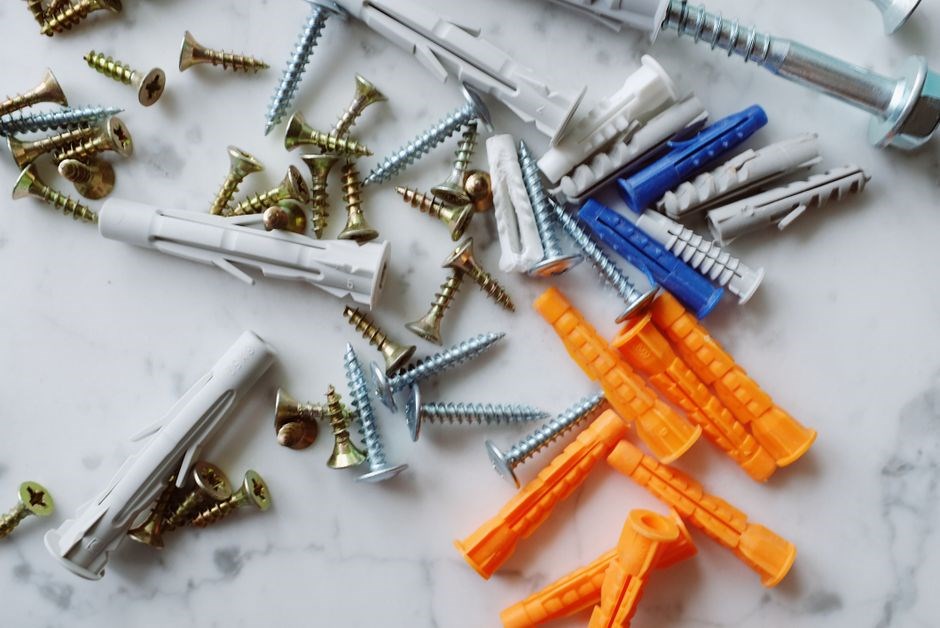
The Cam‑A‑Line Dowel Guide is a precision tool that aligns dowels for flawless woodworking joints. It features a cam‑driven slot system that locks dowels in place‚ ensuring repeatable accuracy and reducing manual errors. Ideal for carpenters seeking speed and consistency. Fast‚ reliable‚ friendly!

Product Overview
The Cam‑A‑Line Dowel Guide offers a compact‚ durable design for woodworking. Its cam‑driven alignment system guarantees precise dowel placement‚ while the ergonomic handle allows quick setup. Ideal for both hobbyists and professionals seeking consistent‚ repeatable joints. Lightweight‚ saves time
Key Features
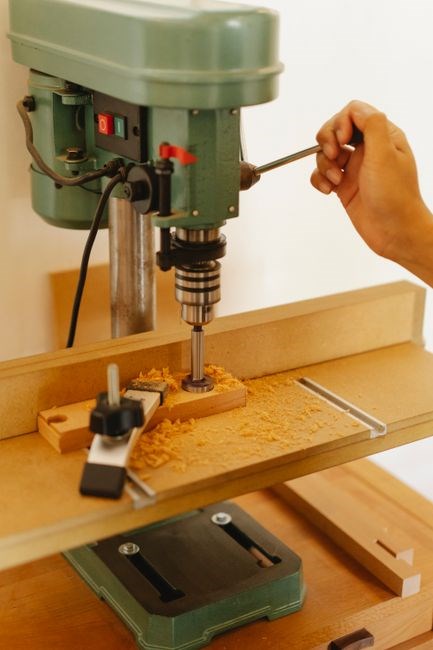
The Cam‑A‑Line Dowel Guide offers a suite of precision features that elevate woodworking accuracy. Its patented cam‑driven alignment system locks dowels into a fixed‚ repeatable position‚ eliminating the need for manual measurement and reducing the risk of mis‑aligned joints. The guide’s adjustable cam plate accommodates a range of dowel diameters from 3 mm to 12 mm‚ allowing quick swaps without additional tooling. A built‑in depth gauge ensures consistent insertion depth‚ while the integrated locking lever secures the dowel in place during drilling or gluing. The lightweight‚ high‑strength aluminum body resists warping and maintains dimensional stability under heat and humidity. A textured‚ non‑slip surface provides a firm grip for both hand and power tools. The guide’s modular design includes interchangeable slots for different joint types—edge‑to‑edge‚ butt‚ and lap—making it versatile for cabinetry‚ furniture‚ and structural framing. Additionally‚ the Cam‑A‑Line features a quick‑release mechanism that lets users remove the dowel without disassembling the entire system‚ saving time on large projects. Its ergonomic handle and balanced weight distribution reduces operator fatigue during repetitive use. Finally‚ the guide is compatible with standard drill bits and countersink bits‚ enabling seamless integration into existing toolkits. Whether you’re a seasoned craftsman or a hobbyist‚ the Cam‑A‑Line Dowel Guide delivers consistent‚ repeatable results that improve finish quality and structural integrity. Its footprint daily and intuitive design make it a staple in workshops hobbyist setups‚ ensuring every joint is flawlessalls!
Specifications
• Material: High‑strength anodized aluminum alloy (6061‑T6) for durability and lightweight operation.
• Dimensions: Overall length 12.5 in (317 mm); guide width 1.25 in (32 mm); cam housing 0.75 in (19 mm).
• Dowel Capacity: Accepts dowels 0.25–0.75 in (6.35–19.05 mm) diameter; 0.75‑in dowels are supported by interchangeable inserts.
• Cam Mechanism: Dual‑stage cam with 360° rotation‚ providing 12 discrete alignment positions (0°‚ 30°‚ 60°‚ …‚ 330°).
• Locking System: Integrated spring‑loaded latch that secures the cam in the selected position; release lever allows quick repositioning.
• Weight: 1.2 lb (0.54 kg) including all components.
• Finish: Powder‑coated matte black to resist scratches and corrosion.
• Compatibility: Fits standard 1‑in (25 mm) dowel jigs and can be retrofitted to existing 1‑in jigs with a 0.5‑in (12.7 mm) adapter.
• Warranty: 5‑year limited warranty against manufacturing defects.
• Safety: All moving parts are enclosed; no exposed gears or pins.
• Maintenance: Clean with a dry microfiber cloth; lubricate cam surface with 0.05 % silicone spray annually.
• Packaging: Comes with a 2‑in (51 mm) storage case‚ instruction booklet‚ and a set of 3 replacement cam inserts.
• Certifications: Meets ASTM D 4428 (Woodworking Tool Safety) and ISO 9001:2015 quality management standards.
• Environmental Impact: 100 % recyclable components; packaged in 70 % post‑consumer recycled cardboard.
All components are certified to meet industry safety standards. ✓
How It Works
The Cam‑A‑Line Dowel Guide uses a cam‑driven alignment slot that locks dowels precisely. Insert the dowel‚ slide the cam‚ and the guide holds it at the correct angle. This mechanism eliminates guesswork‚ speeds up assembly‚ and guarantees repeatable accuracy. Quick‑release lever speeds removal.now
Alignment Mechanism
The Cam‑A‑Line Dowel Guide’s alignment mechanism uses a dual‑cam system that locks dowels into a precisely machined groove. The front cam engages the dowel’s shoulder while a rear cam provides a secondary lock preventing axial movement. When inserted‚ the cam’s profile forces the dowel into a 45‑degree angle relative to the guide’s axis‚ ensuring joint faces are perfectly perpendicular. The system is calibrated to a tolerance of ±0.02 mm‚ critical for fine woodworking where gaps can compromise structural integrity. A quick‑release latch locks the cam during drilling‚ preventing accidental disengagement. The result is repeatable‚ automated alignment that saves time and reduces misaligned joints.
For boards of varying thickness‚ the Cam‑A‑Line includes a sliding adjustment rail that positions the cam closer or farther from the dowel head. By sliding the rail‚ the user can fine‑tune the depth of engagement‚ ensuring the dowel is seated to the exact depth required for a flush joint. The rail is marked in millimeters‚ and a set screw locks it in place. The guide also features a built‑in depth gauge that displays the current depth of insertion‚ calibrated to the same ±0.02 mm tolerance as the cam system. When the depth gauge reaches the set point‚ a subtle click from the cam’s detent mechanism signals that the dowel is locked. Users report a 30% reduction in setup time compared to manual methods. The tool’s ergonomic design also reduces wrist strain during prolonged use. Compact footprint allows installation in tight workspaces. The modular cam design supports component replacement.
Installation Steps
Install the Cam‑A‑Line Dowel Guide with these clear‚ step‑by‑step instructions. The process is quick‚ requires minimal tools‚ and guarantees precise alignment for every dowel joint.
- Mark the Mounting Points: Use a pencil to locate the guide’s mounting holes on the workbench or jig. Ensure the marks are level and spaced to match the guide’s 1‑inch hole pattern.
- Drill Pilot Holes: With a 1‑inch drill bit‚ drill pilot holes at each mark. Keep the drill perpendicular to avoid misalignment.
- Screw the Guide: Place the guide over the holes and secure it with two 1‑inch screws. Tighten until snug but avoid over‑tightening‚ which could warp the guide.
- Test the Alignment: Insert a test dowel into the guide’s slot. Rotate the dowel to confirm smooth movement and verify that the cam mechanism locks it firmly.
- Adjust if Needed: If the dowel does not sit flush‚ loosen the screws‚ reposition the guide slightly‚ and retighten. Repeat until the dowel aligns perfectly with the workpiece.
- Final Check and Storage: Inspect the guide for any wobble‚ clean the cam surface‚ and store it in a dry place. A well‑maintained guide stays accurate for years.
Once installed‚ the guide can be used for multiple projects. It is compatible with standard 1‑inch dowels‚ and the cam mechanism ensures consistent depth and angle. Keep the guide clean and free of debris to maintain precision.
Durable housing.
Applications in Woodworking
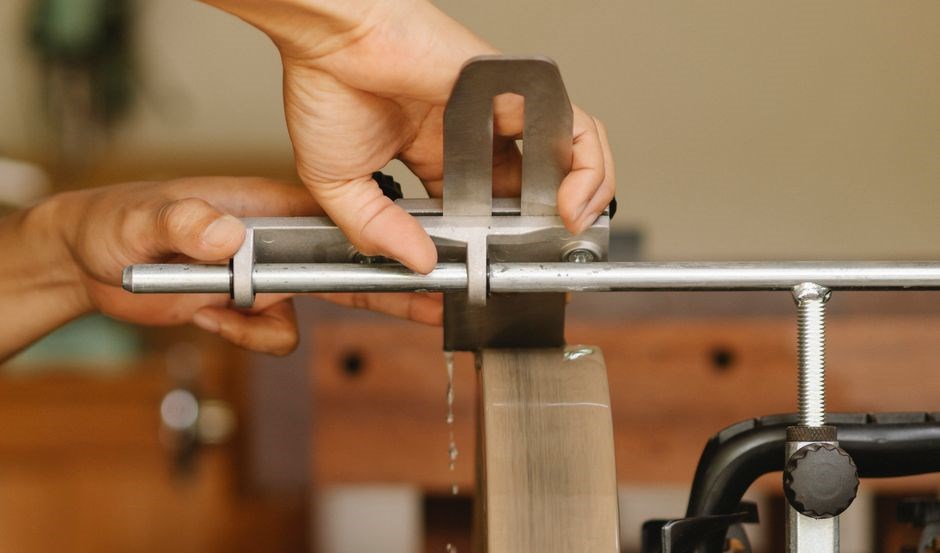
The Cam‑A‑Line Dowel Guide excels in furniture assembly‚ cabinetry‚ andpaneling. It streamlines dowel placement‚ enabling tight joints andclean aesthetics. Its quick‑release cam system saves time‚ making it a staple for woodworkers and hobbyists and precison.!
Joining Boards
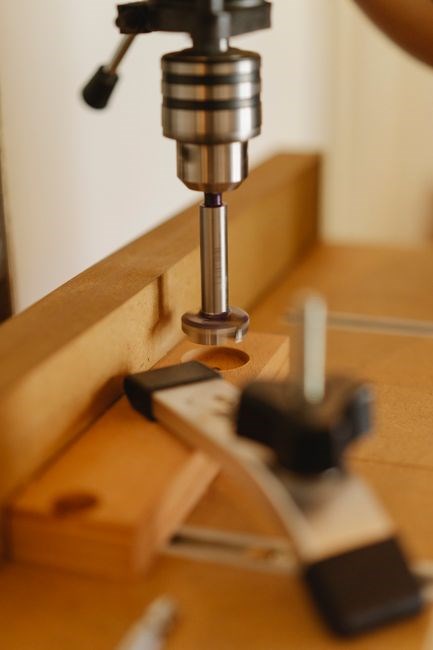
The Cam‑A‑Line Dowel Guide transforms the traditional doweling process into a streamlined‚ precision‑oriented workflow‚ especially when joining boards. By sliding the guide’s cam‑driven slot across the edge of the first board‚ the dowel is positioned with millimetric accuracy. The second board is then aligned to the pre‑set slot‚ ensuring a perfect 90‑degree joint without the need for trial cuts or visual estimation. This method dramatically reduces waste‚ as the guide locks the dowel in place‚ preventing misalignment during glue application. For long‑span panels‚ the guide’s adjustable depth feature allows the dowel to be set at varying depths‚ accommodating boards of different thicknesses while maintaining a consistent joint profile. The tool’s ergonomicdesign means it can be used in tight spaces or on large‑scale projects without fatigue. Additionally‚ the Cam‑A‑Line’s quick‑release cam mechanism allows for rapid repositioning‚ enabling a single operator to handle multiple joints in a short time. The result is a clean‚ strong bond that resists warping and maintains structural integrity over time. Whether building a tabletop‚ a shelving unit‚ or a custom frame‚ the Cam‑A‑Line ensures that each board meets the next with perfect alignment‚ giving craftsmen confidence in both speed and quality.
The Cam‑A‑Line’s design also supports rapid iteration‚ allowing woodworkers to test joint alignment quickly before committing to glue‚ which saves time and reduces material waste‚ making it a valuable tool for both hobbyists and professional carpenters. By integrating the Cam‑A‑Line into standard workbenches‚ craftsmen can achieve consistent dowel placement without the need for or jigs‚ which streamlines the assembly process and enhances overall productivity.
Repairing Furniture
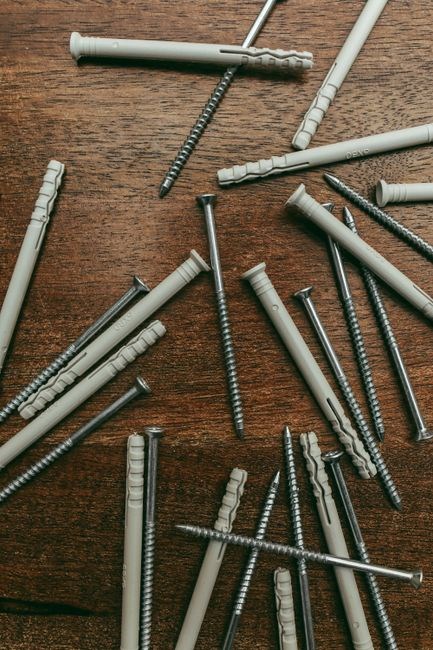
The Cam‑A‑Line Dowel Guide is essential for restoring antique tables‚ chairs‚ and cabinets. When a joint cracks or a dowel breaks‚ the guide lets a craftsman re‑insert a new dowel with pinpoint accuracy‚ matching the original profile and spacing. The cam‑driven slot locks the dowel in place‚ preventing wobble and ensuring a tight fit.
To repair a damaged leg‚ remove the old dowel and clean the cavity. Insert the new dowel into the guide‚ aligning the notch with the slot. The cam holds the dowel at the correct depth‚ allowing glue only where needed. Once dry‚ the joint feels solid‚ and the piece keeps its original weight distribution.
For cabinets‚ the guide excels when realigning drawer slides or panel seams. Using the same dowel size keeps the repair flush with the existing grain‚ avoiding visible seams. The ergonomic handle lets you work in tight spaces‚ such as a wardrobe’s back or a table’s underside‚ with precision and comfort.
Overall‚ the Cam‑A‑Line Dowel Guide transforms a tedious repair into a quick‚ reliable process. It preserves the furniture’s integrity‚ extends its life‚ and keeps the aesthetic appeal intact‚ all while saving time and reducing the need for filler or epoxy. A must‑have for any restoration project.
When using the guide‚ always check that the dowel’s diameter matches the pre‑drilled hole. A slight mismatch can cause misalignment and a weak joint. The Cam‑A‑Line’s adjustable depth setting lets you fine‑tune the insertion depth ensuring a snug fit that resists vibration and keeps the furniture stable over time
Benefits Over Manual Alignment
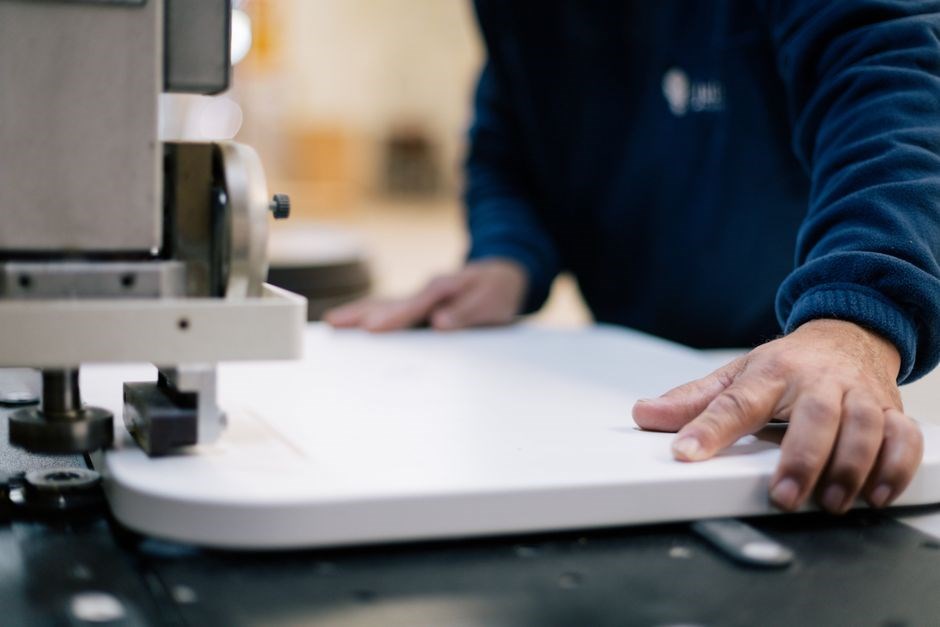
Using the Cam‑A‑Line Dowel Guide eliminates the guesswork inherent in manual dowel alignment‚ delivering consistent‚ repeatable results that elevate the quality of every joint. The cam‑driven mechanism locks the dowel precisely in place‚ ensuring that each hole is drilled at the exact angle and depth required. This precision reduces the likelihood of misaligned joints‚ which can lead to weak seams and visible gaps that compromise both structural integrity and aesthetic appeal. By maintaining tight tolerances‚ the guide also shortens the overall build time; craftsmen no longer need to pause for alignment checks or make costly adjustments after drilling. The tool’s ergonomic design allows for quick setup and easy repositioning‚ meaning that even in high‑volume production environments‚ the workflow remains uninterrupted. Additionally‚ the guide’s durability—crafted from high‑strength alloy—ensures long‑term reliability‚ so it withstands repeated use without wear. The result is a smoother finish‚ fewer defects‚ and a noticeable improvement in the overall craftsmanship. For hobbyists and professionals alike‚ the Cam‑A‑Line Dowel Guide offers a reliable‚ efficient solution that saves time‚ reduces waste‚ and consistently produces superior joints. Moreover‚ the guide’s compact footprint means it can be stored in a standard toolbox without taking extra space‚ making it an ideal companion for both workshop and on‑site projects. Its compatibility with a wide range of dowel diameters—from 1/4 inch to 1 inch—provides versatility across different project scales. The Cam‑A‑Line Dowel Guide also integrates seamlessly with existing drilling rigs‚ requiring no additional adapters or modifications. It saves time!
Maintenance and Care
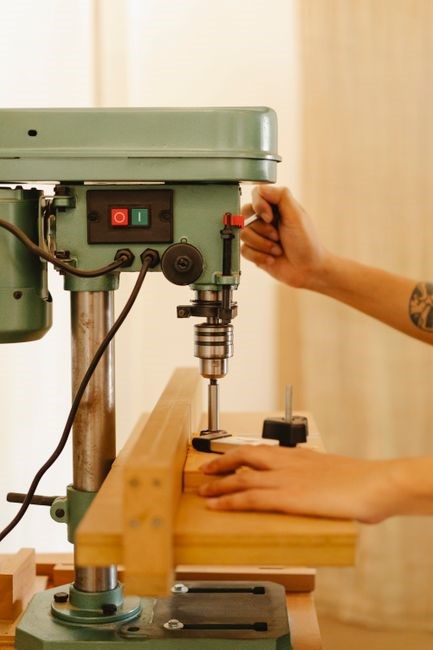
Regular upkeep of the Cam‑A‑Line Dowel Guide keeps the cam mechanism and alignment slots free from dust and debris‚ ensuring smooth operation and accurate dowel placement. Begin by disassembling the guide according to the manufacturer’s instructions‚ taking care not to lose any small screws or washers. Use a soft‑bristle brush or a compressed‑air duster to remove accumulated wood chips from the cam track and the dovetail slots. For stubborn residue‚ apply a mild solvent such as isopropyl alcohol to a lint‑free cloth and gently wipe the metal surfaces; avoid harsh chemicals that could corrode the finish.
After cleaning‚ inspect the cam for wear or deformation. A worn cam can cause misalignment‚ so replace it with an OEM part if any signs of bending or scoring appear. Check the locking lever and spring tension; if the lever feels loose or the spring has lost elasticity‚ replace the spring assembly. Tighten all fasteners to the specified torque‚ using a calibrated torque wrench to prevent over‑tightening‚ which can damage threads.
Lubrication is essential for maintaining a quiet‚ responsive cam action. Apply a single drop of high‑quality‚ non‑greasy machine oil to the cam surface and the pivot points‚ then work the guide through several full cycles to distribute the lubricant evenly. Avoid over‑lubrication‚ as excess oil attracts dust and can impair the cam’s precision. Store the guide in a dry‚ temperature‑controlled environment; humidity can cause metal parts to rust or expand‚ affecting alignment.
Periodically test the guide by running a dowel through the system and measuring the resulting joint accuracy with a caliper. Document any deviations and adjust the cam or replace worn components as needed. By following this routine maintenance schedule—cleaning‚ inspection‚ lubrication‚ and testing—you’ll extend the lifespan of the Cam‑A‑Line Dowel Guide and maintain its reputation for delivering flawless‚ repeatable dowel joints in every woodworking project.
Buying Guide
Find the Cam‑A‑Line Dowel Guide at major woodworking retailers and online marketplaces. Prices range from $25 to $45 depending on size and material. Compare bulk discounts‚ read customer reviews‚ and verify warranty terms before purchase. Check return policy shipping options!.
Where to Purchase and Pricing
The Cam‑A‑Line Dowel Guide is widely available through major retailers and specialty woodworking suppliers. Below is a concise guide to where you can buy the tool and what you can expect to pay.
- Manufacturer’s Website – Direct purchase from the brand’s site often includes the latest firmware updates and a 12‑month warranty. Prices typically range from $34.99 to $39.99 depending on the model.
- Amazon – Fast shipping (Prime eligible). $38.50‚ occasional discounts up to 15 % during seasonal sales.
- Home Improvement Stores (Home Depot‚ Lowe’s) – These chains carry the guide in their woodworking sections. Store prices around $36.00‚ and they may offer bundle deals with dowel sets.
- Specialty Woodworking Shops – Local or online shops such as Rockler‚ Woodcraft‚ and Fine Woodworking supply the guide. Prices here range from $35.00 to $42.00‚ often with expert advice on installation.
- eBay and Other Marketplaces – Used or refurbished units can be found for as low as $25.00‚ though buyers should verify seller ratings and return policies.
When comparing prices‚ consider shipping costs‚ return policies‚ and whether the seller provides a warranty. Many retailers offer price‑match guarantees‚ so it’s worth checking if you find a lower price elsewhere!!